
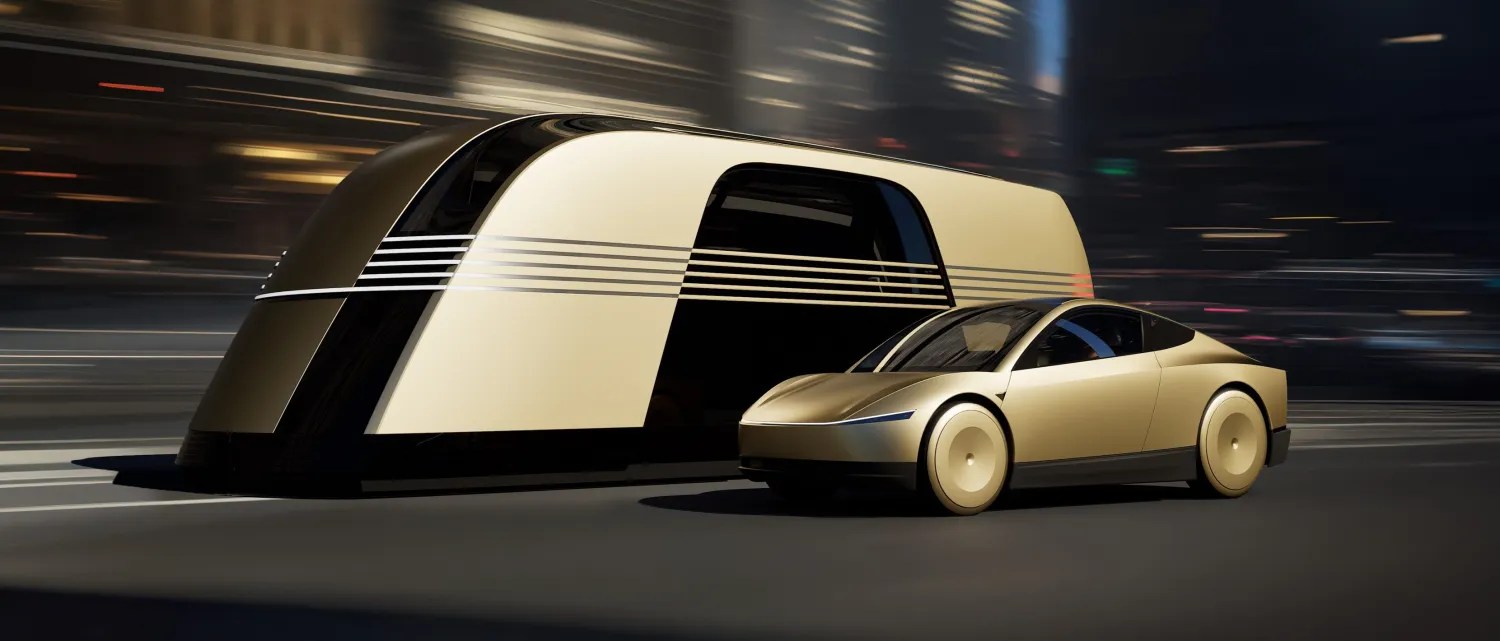
Tesla has escalated its fight over the “Cybercab” name, filing a 167-page, 5-count formal opposition at the USPTO’s Trademark Trial and Appeal Board against UNIBEV, a French beverage wholesaler that has been squatting on the trademark. The filing, obtained by Electrek, accuses UNIBEV of fraud, bad faith, and trademark dilution, just weeks before Tesla plans to ramp Cybercab production at Gigafactory Texas.
The move comes less than two weeks after Tesla secured a 30-day extension to oppose UNIBEV’s trademark application, signaling it wasn’t ready to walk away from the name. Now, Tesla has made clear it intends to fight for it.
Tesla accuses UNIBEV of fraud and bad faith
The opposition filing, dated February 18, 2026, lays out five separate legal claims against UNIBEV’s trademark application (Serial No. 79/412,082), which covers goods and services in Classes 12 and 39 — vehicles, cars, and even air vehicles.
Tesla’s first count alleges outright fraud on the USPTO. According to the filing, UNIBEV told the trademark office that no other entity was using “cyber,” “cab,” or “cyber cab” in connection with similar goods. Tesla argues this statement was knowingly false, the company had already unveiled the Cybercab at its “We, Robot” event in October 2024 and the name was widely reported in global media – albeit Tesla failing to file for it at the time.
The second count attacks UNIBEV’s bona fide intent to use the mark. UNIBEV is a beverage wholesale company. Its principal, Jean-Louis Lentali, has no apparent history of manufacturing, selling, or marketing vehicles of any kind. Tesla argues the filing was a textbook trademark squatting operation, file for a famous name in a product category you never intend to enter, then extract payment from the rightful owner.
Tesla bolsters this argument with a pointed detail: Lentali personally follows Elon Musk, Kimbal Musk, Maye Musk, and SpaceX on social media. It’s hard to argue ignorance of Tesla’s Cybercab when you’re tracking the Musk family’s every post.
A pattern of squatting
This isn’t UNIBEV’s first run at Tesla’s brand. The company already holds trademarks for “Teslaquila”, the name Tesla once tried to use for its limited-run branded tequila. As we reported in January, UNIBEV also filed for “Cyberquad,” another Tesla-associated name, and “Cybertaxi.”
The timeline is damning. UNIBEV first filed for the “Cybercab” mark in France on April 29, 2024, months before Tesla’s October reveal event. It then filed with the USPTO on October 28, 2024, roughly two weeks after Tesla unveiled the vehicle but before Tesla got its own application in during November 2024. Under international priority rules, UNIBEV’s earlier French filing date gives it a significant advantage.
Tesla’s remaining three counts build on the family of “CYBER-” marks the company already owns. Count three argues likelihood of confusion with Tesla’s registered CYBERTRUCK marks, noting the USPTO has already refused other CYBER-formative marks, CYBERCAMPER, CYBERTRAILER, CYBERVAN, as confusingly similar to Tesla’s registrations. Count four claims dilution of Tesla’s famous CYBERTRUCK marks. Count five alleges UNIBEV’s mark falsely suggests a connection with Tesla.
The timing pressure
The legal battle arrives at the worst possible moment for Tesla. The company rolled its first steering-wheel-less Cybercab off the production line at Gigafactory Texas on February 17, one day before this opposition was filed. Volume production is targeted for April 2026, and Elon Musk has promised consumer deliveries of a sub-$30,000 Cybercab before 2027.
Tesla is ramping production of a vehicle whose name it doesn’t legally own. That’s the kind of situation that happens when you announce a product name at a splashy event and then wait a month to file the trademark paperwork.
Top comment by PurpleRocket
No hurry for Tesla. Since they show no prospect of exceeding level two autonomy, the Cybercab is going nowhere slowly. Did anyone really believe Musk was going to meet his April production deadline?
Meanwhile, Tesla has also panic-filed trademarks for “Cybercar” and “Cybervehicle” as backup options, names Musk floated on the Q4 2025 earnings call, but those come with their own risks of confusion with existing CYBER- registrations.
Electrek’s Take
This opposition filing is the strongest move Tesla has made in the Cybercab trademark saga, and it was overdue. The evidence against UNIBEV is about as clean as trademark squatting cases get: a beverage company with zero vehicle experience, filing for vehicle trademarks, whose principal follows Elon Musk’s family on social media. The fraud allegation, that UNIBEV told the USPTO nobody else was using “Cybercab” for vehicles, is particularly aggressive and, based on the filing, well-supported.
That said, none of this would have been necessary if Tesla had filed the trademark before announcing the name to the world. We’ve been covering this self-inflicted wound since January, and it remains staggering that a company with Tesla’s resources let a hard seltzer wholesaler beat it to the trademark office. The opposition should succeed on the merits, but it will take months to resolve through the TTAB process, time Tesla doesn’t have if it wants to market the vehicle under the Cybercab name this year.
The most likely outcome remains a settlement where Tesla pays UNIBEV to go away, probably before this case gets anywhere near a decision. UNIBEV’s entire play is built around that outcome. The opposition filing gives Tesla leverage in those negotiations, but leverage it shouldn’t have needed in the first place.


FTC: We use income earning auto affiliate links. More.



Comments