
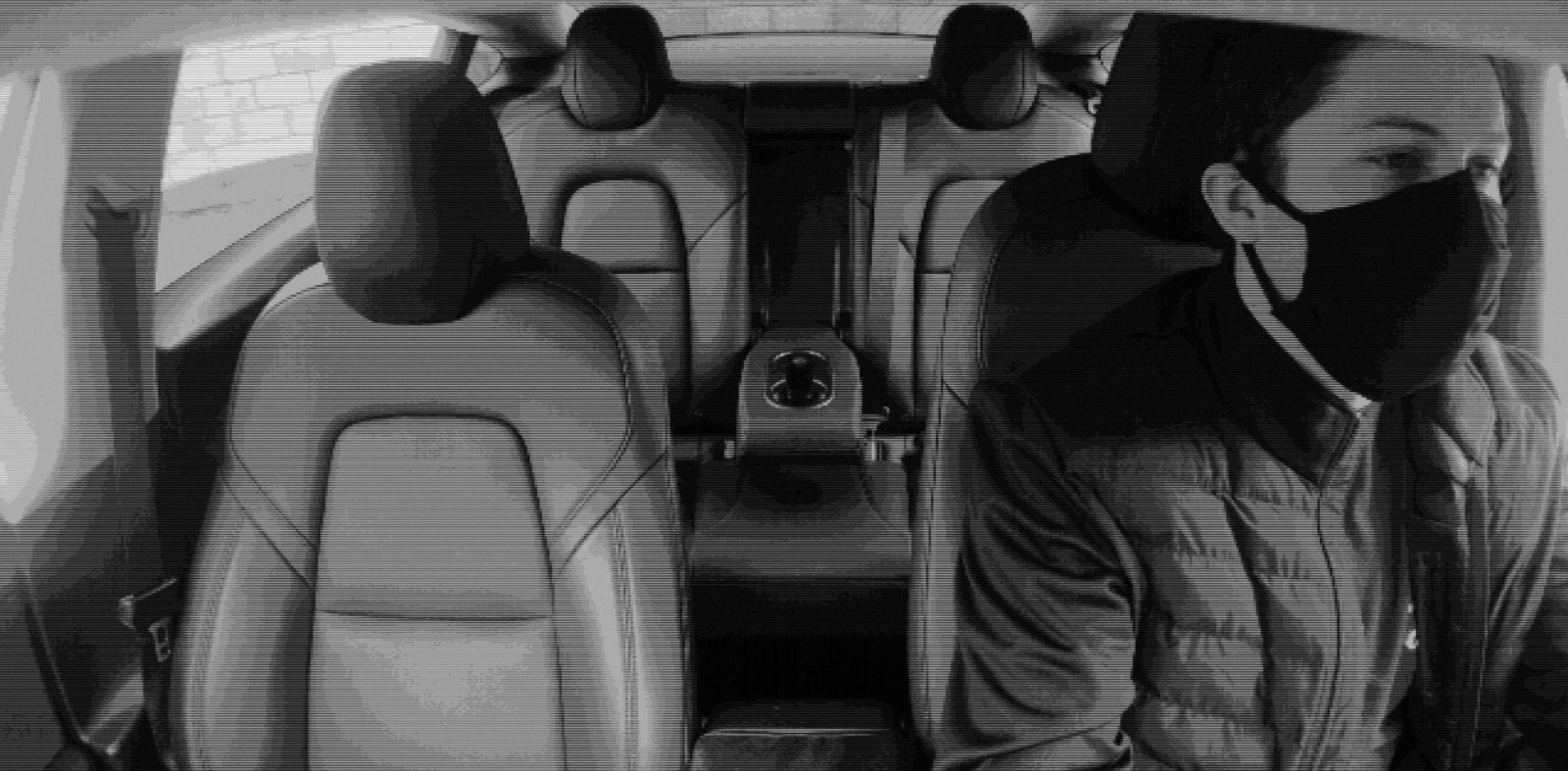
Tesla is recalling 2,740,642 vehicles in China to strengthen driver monitoring on its assisted-driving system, after regulators found that checking for a hand on the wheel isn’t enough to keep drivers watching the road.
The fix forces Tesla to use the car’s cabin camera to track the driver’s eyes — the same kind of monitoring Chinese drivers were recently caught defeating with $20 plastic doll heads.
What the recall covers
The recall covers 2,740,642 domestically built Model 3 and Model Y vehicles produced between March 4, 2019, and December 7, 2025, according to a filing with China’s State Administration for Market Regulation (SAMR).
The defect is about driver attention. When a vehicle is using Autosteer and enters “combination driving assistance” — China’s regulatory term for Level 2 systems — the regulator says Tesla’s “existing attention-monitoring mechanism is insufficient to provide the driver with alerts when their gaze leaves the road,” which increases the risk of a crash.
The remedy is an over-the-air software update. Per Tesla’s own recall notice, it will add “cabin-camera monitoring on the basis of the existing steering-wheel torque monitoring.” In plain terms, Tesla is going from checking whether your hands are on the wheel to also checking whether your eyes are on the road. The update is effective immediately.
Torque wasn’t enough — and the camera got fooled
The regulator’s problem is with the method. For the standard combination driving assistance in these cars, Tesla leaned on steering-wheel torque monitoring — a system that detects a hand nudging the wheel, not a driver actually looking at the road. SAMR ruled that insufficient.
Tesla does have camera-based monitoring, and it began using the cabin camera in China this year as it rolled out its supervised “Tesla Assisted Driving” features, the system it previously marketed as Full Self-Driving. But that monitoring proved easy to beat. Within weeks, Chinese drivers were mounting cheap plastic doll heads near the rearview mirror to trick the camera into thinking someone was watching the road — one Model 3 owner reportedly drove 30 minutes eating sunflower seeds behind a Dwayne Johnson figurine.
There’s history here, too. Tesla long resisted using the interior camera in China at all. In 2021, amid government scrutiny of its cameras and data practices, the company said its China-market vehicles had “not turned on their in-vehicle cameras,” citing privacy and Chinese law. This recall pushes camera-based attention monitoring across its entire combination-driving-assistance fleet.
China is forcing a standard the US already set
Top comment by Vanessa
I’m still waiting for the multi-company recall where every brand is forced to install actual human-hand operated door handles and latches both inside and out which are used in all non-emergency situations to train human reflexes for those deadly emergencies. A guarantee that bystanders can quickly get you out of a burning car filled with toxic black smoke even if your legs are broken and you have a concussion.
This recall closely mirrors what US regulators did years ago. Tesla’s cabin-camera driver monitoring in North America was itself the product of a recall: the National Highway Traffic Safety Administration’s December 2023 Autopilot recall of roughly 2 million vehicles, which forced stronger driver-engagement safeguards.
China had been moving the same way, tightening the rules on automated-driving features and marketing after Tesla launched its assisted-driving system there.
The driver-monitoring recall is one of two Tesla filed in China on the same day. The other, larger action covers nearly 3 million vehicles over an interior emergency door release that regulators say is too hard to find after a crash. Together, the two recalls cover 5,716,552 cars — Tesla’s biggest recall total ever in its second-largest market.
Thinking about how to power your EV with your own clean energy? The best way to lower your home’s energy costs and charge your car for less is to go solar. To find a trusted, reliable solar installer near you that offers competitive pricing, check out EnergySage, a free service that makes it easy for you to go solar. It has hundreds of pre-vetted solar installers competing for your business, ensuring you get high-quality solutions and save 20-30% compared to going it alone. Plus, it’s free to use, and you won’t get sales calls until you select an installer and share your phone number with them. Your personalized solar quotes are easy to compare online and you’ll get access to unbiased Energy Advisers to help you every step of the way. Get started here. – Get your free quotes here.


FTC: We use income earning auto affiliate links. More.


Comments