
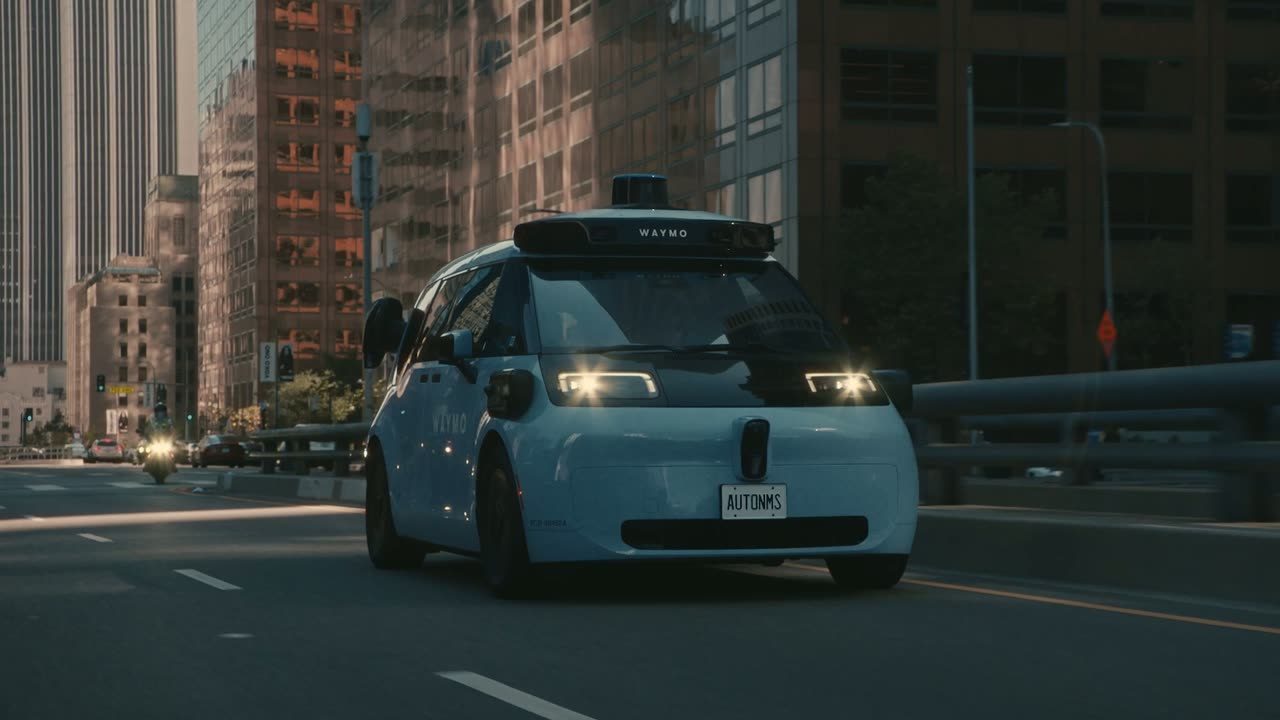
Waymo says California regulators have signed off on the biggest expansion of its robotaxi service yet, covering 18 counties from Sonoma down to San Diego.
The California Public Utilities Commission approval clears Waymo to charge for fully driverless rides across the whole Bay Area and Los Angeles, and to open two brand-new markets in Sacramento and San Diego.
Waymo announced the decision on X Friday afternoon: “Big news for the Golden State.” The company said the rollout “will be gradual and guided by our safety framework.”
What the CPUC actually approved
The approval runs through Waymo’s Advice Letter No. 4, filed with the CPUC back on January 28. Regulators suspended it through September 25 for further review, and Waymo filed a supplemental letter in May covering unaccompanied minors and rider procedures during service disruptions like the PG&E outage that hit San Francisco last December.
That’s nearly seven months of regulatory grinding for one filing. It cleared today.
The letter covers 12 counties in Northern California (Alameda, Contra Costa, Marin, Napa, Sacramento, San Francisco, San Mateo, Santa Clara, Santa Cruz, Solano, Sonoma, and Yolo) and six in the south (Los Angeles, Orange, Riverside, San Bernardino, San Diego, and Ventura). That’s most of the state’s population.
The operating conditions Waymo asked for are just as wide: all speed limits, freeways, highways, city streets, rural roads, parking lots, driveways, and rail crossings, day and night, in rain, fog, and hail. The only real carve-out is widespread snow or ice.
Both the Jaguar I-Pace and the new Ojai robotaxi running Waymo’s sixth-generation Driver are covered.
Waymo is scaling while Tesla is still using safety drivers
Waymo’s service area passed 1,400 square miles across 11 cities in May, a bigger footprint than Rhode Island, on a fleet of roughly 3,000 vehicles that has now done more than 20 million trips. The company is targeting 1 million rides a week by the end of this year.
Now compare that to Tesla, which runs a “Robotaxi” service in the same Bay Area with a human sitting in the driver’s seat.
In March, CPUC deputy executive director Pat Tsen said flatly that “Tesla is not operating an autonomous vehicle service” and that what Tesla holds is a charter-party carrier permit, the same one a limousine company gets. That permit doesn’t come with AV safety reporting, data transparency, or the quarterly filings Waymo and Zoox have to submit.
So one company just got cleared to charge for driverless rides in 18 counties. The other is cleared to do what a limo company does.
Electrek’s Take
You’ve got to appreciate Waymo here with “will be gradual and guided by our safety framework.”
For a while, I’ve reported that Waymo has already won the autonomous driving race against Tesla, but my main concern was that they could start moving faster, too fast, in order to keep Tesla at bay with its illusion that its robotaxi program is expanding much faster than it actually is.
It doesn’t look to be the case.
Top comment by Beario
So far Waymo has been doing things about as safe as safe as can be done. It wasn't without some issues, but at least they chose a safer route. It certainly does not appear that they have to worry about Tesla at this point. Tesla's route to autonomy in my opinion has many more hurdles to overcome to be proven safe. Sometimes cheaper works out to be more expensive but I guess we will see who finishes this race on top but it certainly looks like Waymo is far out in front.
This is what the boring version of winning looks like. Waymo filed in January, sat through a suspension, answered protests, supplemented in May, and came out the other side with permission to operate in most of California.
Now, approval isn’t deployment. Waymo said the expansion will be gradual, and it means it. Depots, charging, mapping, remote support, and vehicles all have to show up first.
But we recently reported on Waymo sitting on almost 1,000 new Ojai vehicles in Arizona. It could start moving fast. Hopefully, as fast as safety allows.
Waymo’s fleet is all-electric, and the same math applies in your driveway: charging an EV on your own solar is about the cheapest fuel you can buy. With electricity rates up almost 10% last year and expected to keep climbing, going solar is one of the best ways to protect yourself against rising costs. And with lease and PPA options, you can do it with zero upfront cost and start saving immediately. If you want to find the best deal, check out EnergySage. It’s a free service with hundreds of pre-vetted installers competing for your business, so you save 20 to 30% compared to going it alone. No sales calls until you pick an installer. Get your free quotes here.


FTC: We use income earning auto affiliate links. More.



Comments