
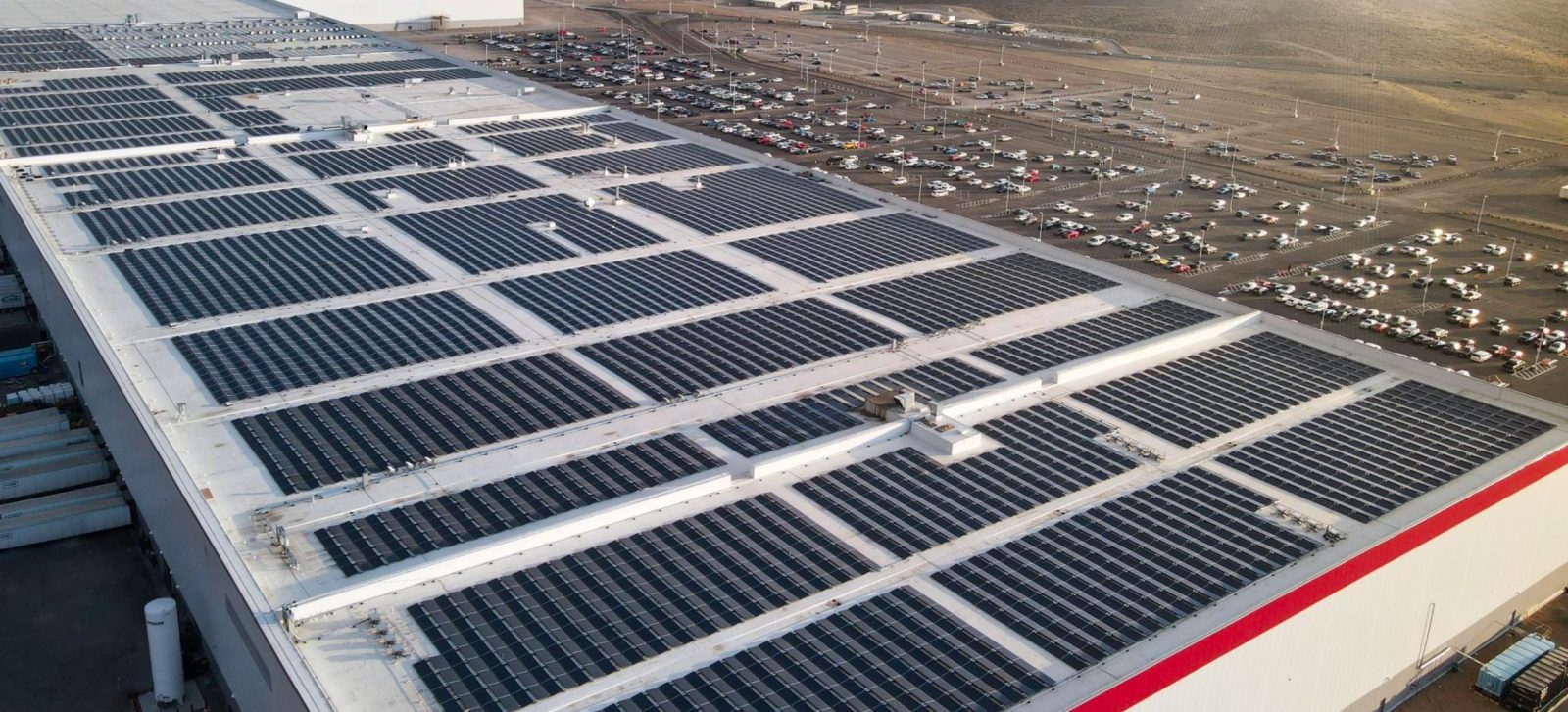
Trailers loaded with millions of dollars of Tesla car and home batteries have been stolen straight from loading docks at the company’s Nevada operations at least 11 times since December, according to sheriff’s records.
Nine of the suspected cargo thefts happened in January alone, and a local detective investigating the cases calls the situation “an epidemic right now.”
The records were obtained through public-records requests and first reported by WIRED, which dug into emergency dispatch and Storey County Sheriff’s Office files tied to Tesla’s Gigafactory Nevada.
What’s being stolen, and how
The thefts target full semi-trailers of finished product before they ever reach customers.
The first recent case, in December, involved two trailers each holding over $475,000 worth of Powerwall 3 home batteries, according to the sheriff’s reports. A “dodgy logistics carrier” hauled them off Tesla property, and authorities later recovered the trailers empty roughly 500 miles away in Southern California.
These aren’t smash-and-grab jobs at a highway rest stop. They’re what the industry calls “strategic” theft: organized crews exploiting gaps in shipping security, using forged IDs and the loose relationships companies have with the truckers and freight brokers who move their products.
That pattern showed up repeatedly in the Tesla cases. A January 19 theft involved a trailer carrying 123 Powerwalls bound for a Tesla facility in Hayward, California, that never arrived. According to the reports, a freight broker had handed the transport contract to an illegitimate carrier whose truck wasn’t even licensed for interstate operations.
Two more trailers, each holding about $500,000 in Powerwalls, were taken over the following four days. Both were tracked down by GPS — one recovered empty, the other found fully loaded at a gas station 18 miles from the factory.
Tesla’s own response to that recovery turned into a minor fiasco. Detectives had placed a tracking device on the loaded trailer, planning to catch the thieves when they returned. But Tesla employees showed up and hauled the trailer away anyway, getting briefly pulled over by confused deputies in the process.
Three arrests, and a factory that’s tightening up
The crews don’t always win. Two trailers stolen the following week still had their built-in GPS trackers running, and both were found nearby with their cargo untouched.
On January 30, police arrested three suspects driving off with one of those trailers, which had a police tracker on it. Prosecutors have charged Arashdeep Singh, Deepindeer Singh, and Harman Pal Singh — all in their 20s and from Northern California — with felony possession of stolen property, alleging they traveled from California using a forged commercial driver’s license in someone else’s name. Their cases are set for trial in October.
A Tesla associate manager told investigators that some of the early thefts stemmed from a failure to follow basic security protocols, according to the reports. Tesla has since tightened up, including verifying driver identities at the factory gate, and the detective says it’s “definitely helping.”
There’s a built-in deterrent on the product side, too. Tesla’s security team found some of the stolen Powerwalls listed for sale online and flagged them — and the units can’t be activated once they’re marked as stolen, leaving buyers with expensive bricks.
Tesla didn’t respond to WIRED’s request for comment. Neither did battery recycler Redwood Materials, which investigators say was hit by one of the same operations that targeted Tesla. The detective said investigators are tracking 17 alleged cargo thefts this year involving Tesla and other Storey County businesses, and that even that figure is likely an undercount because companies are reluctant to admit their products were stolen.
A broader cargo-theft surge
Tesla is a high-profile target, but it’s far from alone.
Top comment by BCGeiger
and the units can’t be activated once they’re marked as stolen, leaving buyers with expensive bricks.
And that is the most effective way to put an end to this. Once the market, both end buyer, broker, and the thieves themselves realize that these become valueless, demand will drop and the market will collapse. This is how computer manufacturer's have cracked down on the grab and run thefts at Apple Stores and such. The units both on the counters and in the back room cannot be activated and used unless approved by the company. Until then they are just an expensive brick.
The American Transportation Research Institute estimated last year that cargo theft now costs the freight industry up to $6.6 billion annually, or more than $18 million a day. Strategic thefts — the planned, targeted variety Tesla is dealing with — jumped from less than 9% of incidents in 2022 to 25% in 2023.
Theft-prevention firm Verisk CargoNet pegged 2025 losses at nearly $725 million, a 60% jump from 2024, with the average value per theft climbing 36% to $273,990 as organized groups zero in on high-value freight. The FBI’s Internet Crime Complaint Center issued a public-service warning in April about “cyber-enabled” cargo theft, in which criminals phish brokers, post fake loads, and reroute shipments to complicit drivers.
Lawmakers are responding. In May, the US House passed the bipartisan Combating Organized Retail Crime Act by a 348-60 vote. The bill, which would make organized retail and cargo theft a federal crime and create a coordination center at the Department of Homeland Security, is now awaiting Senate action. Notably, both the House sponsor, Rep. Susie Lee, and a lead Senate sponsor, Sen. Catherine Cortez Masto, represent Nevada — home to the gigafactory getting hit.
If you’re a Tesla or Powerwall owner, pairing home solar with battery storage is one of the smartest ways to lock in low energy costs for the long haul. With electricity rates climbing nearly 10% last year, home solar protects you against future rate increases. And with lease and PPA options, you can go solar with zero upfront cost and start saving immediately. If you want to find the best deal, check out EnergySage. It’s a free service with hundreds of pre-vetted installers competing for your business, so you save 20 to 30% compared to going it alone. No sales calls until you pick an installer. Get your free quotes here.


FTC: We use income earning auto affiliate links. More.


Comments