
AAA may be best known for roadside assistance and travel services, but the organization is now taking a much closer interest in electric bicycles and electric scooters as their popularity continues to surge across the US.
This week, AAA – The Auto Club Group announced a new safety initiative called “E-Ride Ready,” a campaign designed to educate families about e-bike and e-scooter safety ahead of the busy summer riding season.
The campaign centers around a free E-Ride Safety Guide that aims to help parents better understand how e-bikes and e-scooters work, where they can legally be ridden, and how to choose appropriate safety equipment such as helmets.
According to AAA, the rapid growth of micromobility devices has outpaced public awareness, infrastructure, and even regulations in many areas.
“E-rides have spread so quickly that laws, infrastructure, and safety awareness haven’t kept pace,” explained AAA spokesperson Megan Cooper. “That leaves many parents trying to figure out what’s safe, what’s allowed, and what rules to set.”
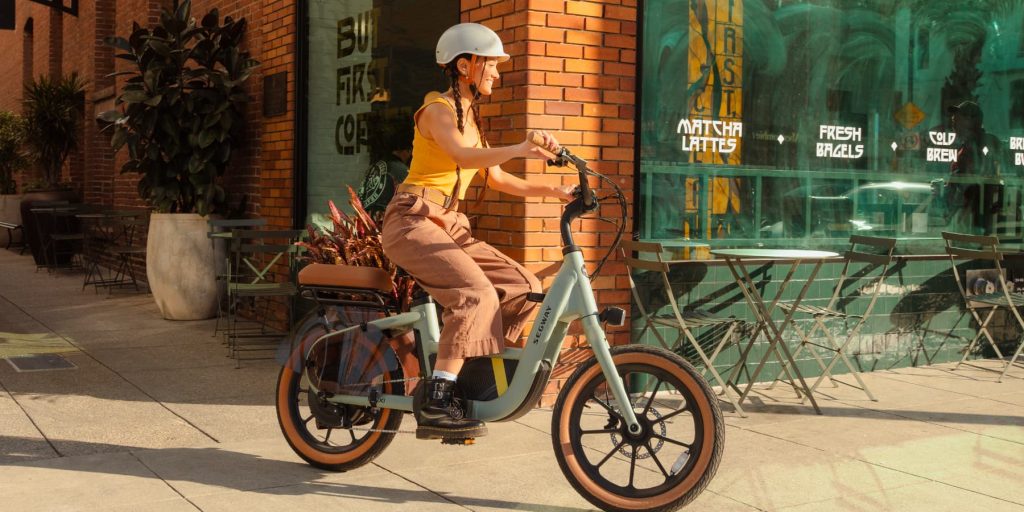
A major focus of the campaign is helmet use, which AAA says remains inconsistent among younger riders despite being one of the most effective ways to reduce the risk of serious injury. The guide also covers safe riding practices around traffic and pedestrians, explains the differences between various types of e-bikes and e-scooters, and encourages parents to establish clear rules before allowing children to ride.
The campaign also highlights a growing challenge in the industry: the patchwork of state and local regulations governing electric bikes and scooters. AAA notes that some higher-powered electric two-wheelers often ridden by teens may fall outside traditional e-bike classifications and could require licensing or registration depending on local laws.
Electrek’s Take
AAA getting involved in e-bike education is an interesting sign of just how mainstream electric micromobility has become. An organization that has spent more than a century serving motorists now sees enough e-bike adoption to justify creating dedicated educational resources.
That’s not surprising to me, but I do take it as a good sign that even the slow-moving legacies in the industry are finally joining the e-bike party.
While many longtime cyclists may view much of the guidance as common sense, there’s no question that millions of new riders (and the parents of new riders) are entering the market every year with little prior experience. If AAA’s campaign helps more families understand the differences between various classes of e-bikes and encourages better helmet use, that’s likely a positive development for the industry as a whole.


FTC: We use income earning auto affiliate links. More.


Comments