
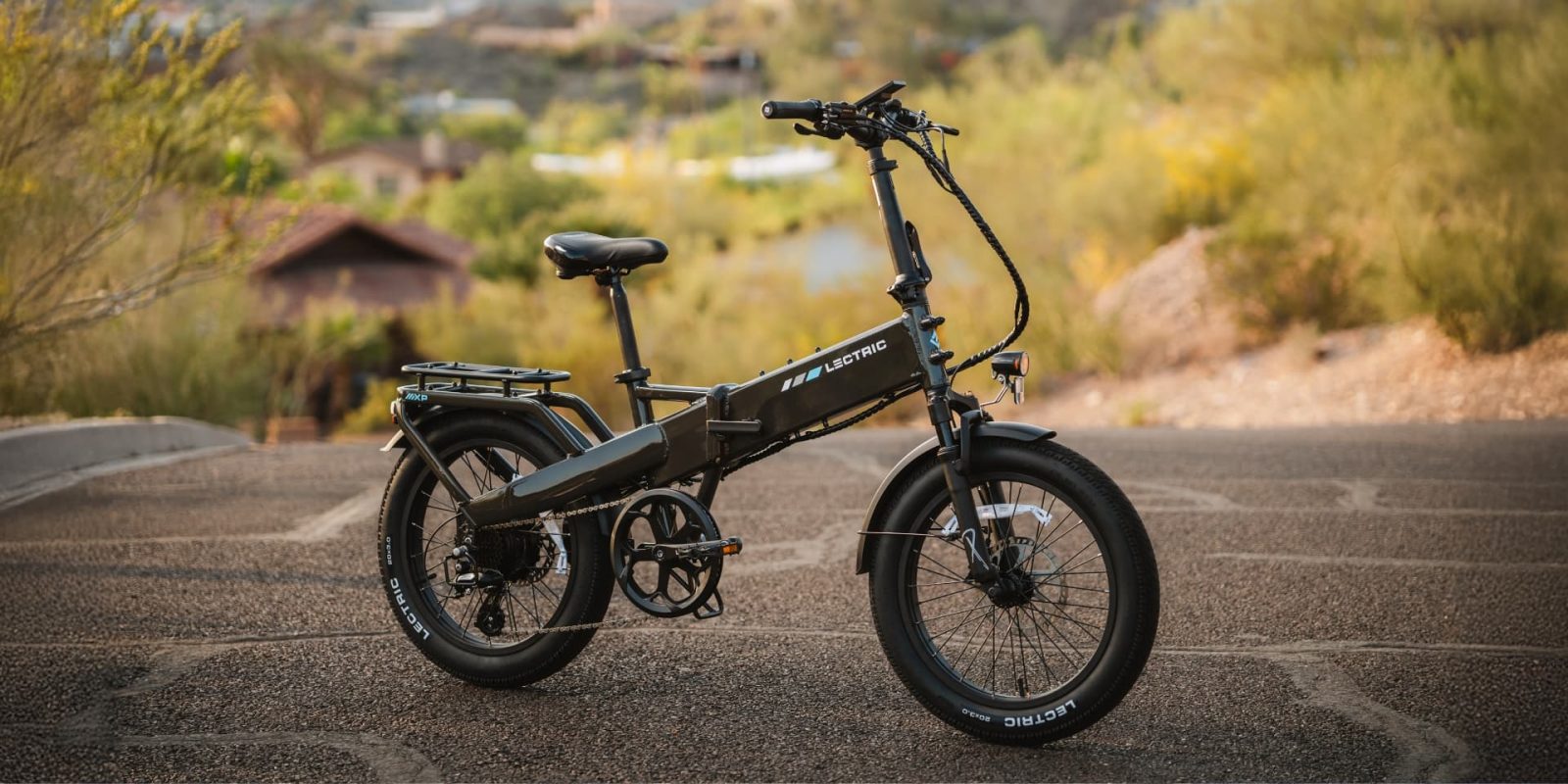
When most people think about America’s best-selling budget electric bike, they probably picture affordability, practicality, and maybe a folding frame that fits in the trunk of a car. What they probably don’t picture is a former high-performance mountain bike racer hammering through the Arizona desert.
But that’s exactly part of the story behind Lectric eBikes and its wildly popular Lectric XP lineup.
Luis Cerna, now a product manager at Lectric, didn’t grow up as part of the e-bike boom. He grew up riding good old-fashioned pedal bikes. Like many lifelong cyclists, he started exploring his neighborhood as a kid before getting serious about mountain biking at 12 years old alongside his father. That eventually led to racing in Arizona’s high school leagues and, later, to road cycling with the Arizona State University team.
That kind of racing background might sound worlds away from designing an affordable, low-cost folding commuter e-bike. But Cerna argues it’s exactly the kind of experience that matters.
Racing teaches riders to obsess over the small things, like how a bike feels when cornering at speed, how it accelerates out of a turn, and how stable it feels under hard braking. Those details don’t disappear just because a bike gains a few pounds, adds a hub motor, and comes with a price tag under $1,000. If anything, those kind of issues actually become more important.
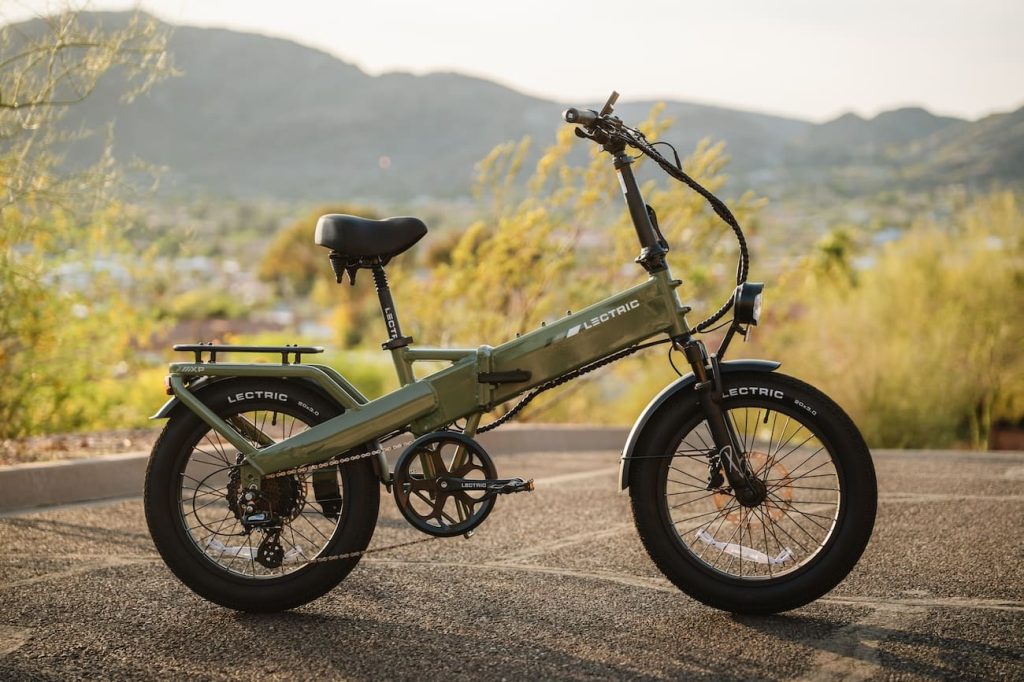
Lectric built its reputation by making electric bikes more accessible. I’ve covered the brand since it rolled out its first 10 prototype bikes, and I’ve watched them grow in real time. The original XP series, with its compact folding frame and approachable pricing, helped open the door for hundreds of thousands of riders who might never have considered an e-bike before. But the company’s success hasn’t just been about price. Over successive generations – now reaching the XP4 – Lectric has refined geometry, braking performance, ride feel, and overall usability.
That’s where someone like Cerna fits in.
His competitive background has given him an intuitive sense of what a bike “should” feel like, even when it’s designed primarily for commuting or grocery runs. In a recent video series and interviews, embedded below, he talked about how cornering dynamics and acceleration characteristics still matter on a folding utility bike. Riders may not consciously analyze those traits, but they notice when something feels stable and confidence-inspiring.
And that confidence is part of why the XP has become such a dominant force in the US budget e-bike market.
There’s also a broader industry lesson here. As the e-bike market has matured, the companies that stand out are those that go beyond merely assembling parts to hit a price point. They’re the companies refining products with input from people who genuinely love bikes – whether that’s 100-mile weekend rides or high-speed desert trails.
At the end of the day, it’s the people behind the bikes that make the real difference.


FTC: We use income earning auto affiliate links. More.


Comments