
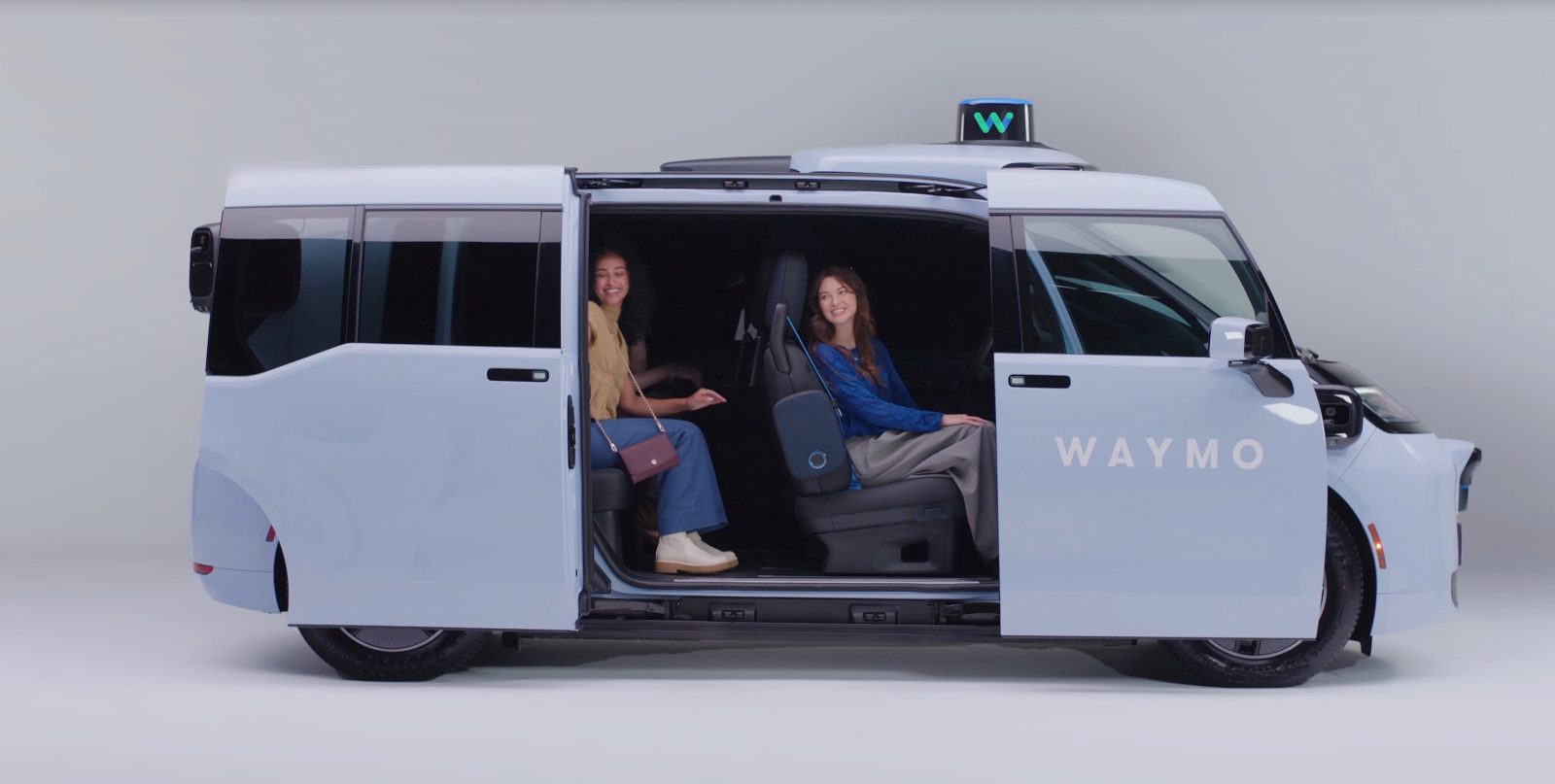
Waymo is beginning to offer select riders trips in its new purpose-built Ojai robotaxi, debuting the company’s 6th-generation Driver hardware across San Francisco, Los Angeles, and Phoenix. Trips will be free for a limited time.
The Ojai represents a significant step for Waymo, which has now surpassed 20 million fully autonomous trips across 11 cities — a scale that no competitor comes close to matching.
Waymo’s purpose-built robotaxi enters service
The Ojai is Waymo’s first purpose-built robotaxi — designed from the ground up as a rider-first vehicle rather than a retrofitted consumer car. Built by Zeekr and then outfitted with Waymo’s autonomous driving hardware at the company’s Arizona factory, the van-style vehicle features an expansive cabin with increased legroom, three large adaptive screens for rear passengers, charging ports, and cup holders.
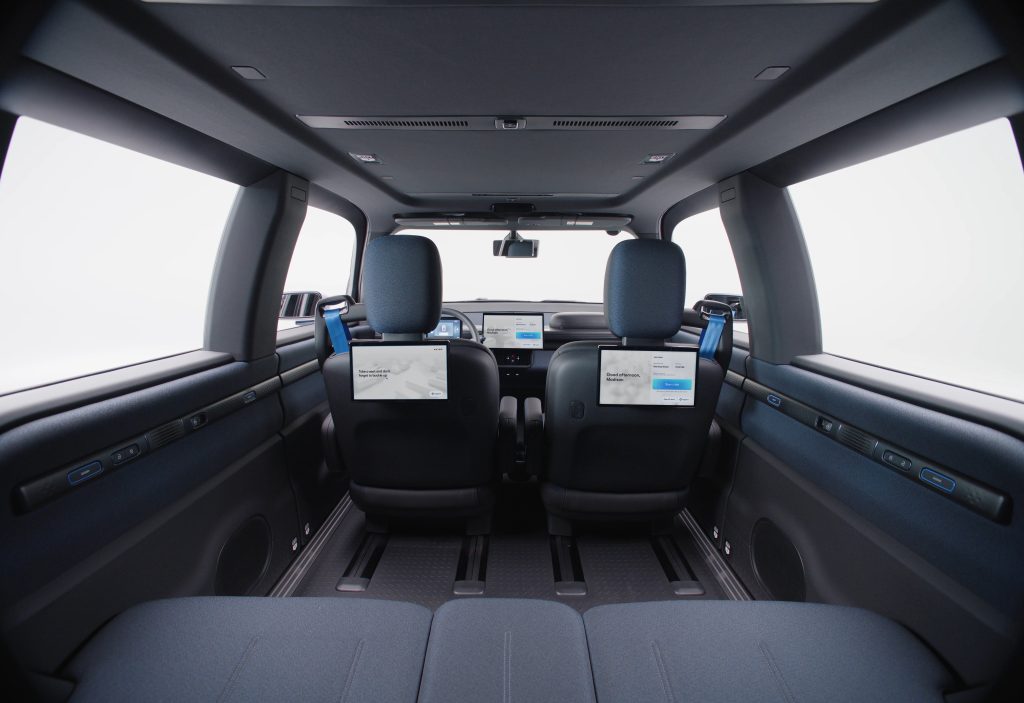
Accessibility was clearly a priority. The Ojai features a flat floor and low step-in height for easier entry and exit, braille markings, grab bars, and other features designed for riders with disabilities. One of Waymo’s press images shows a visually impaired rider with a white cane interacting with the vehicle — a signal that the company is serious about making autonomous rides accessible to everyone.


On the operational side, Waymo says the Ojai includes easier-to-clean interiors, faster charging and increased battery capacity, and a more modular design for efficient maintenance and repairs. Those are the kinds of improvements that matter when you’re running a fleet at scale.
6th-gen Driver: fewer sensors, more capability
The real story under the hood is the 6th-generation Waymo Driver. The new hardware stack cuts the sensor count by 42% compared to the 5th-gen system — from 29 cameras to 13, five lidars to four, and fewer radar units — while delivering more capability. The hardware cost target is under $20,000 per unit, a threshold that puts Waymo within reach of sustainable per-ride unit economics at scale.
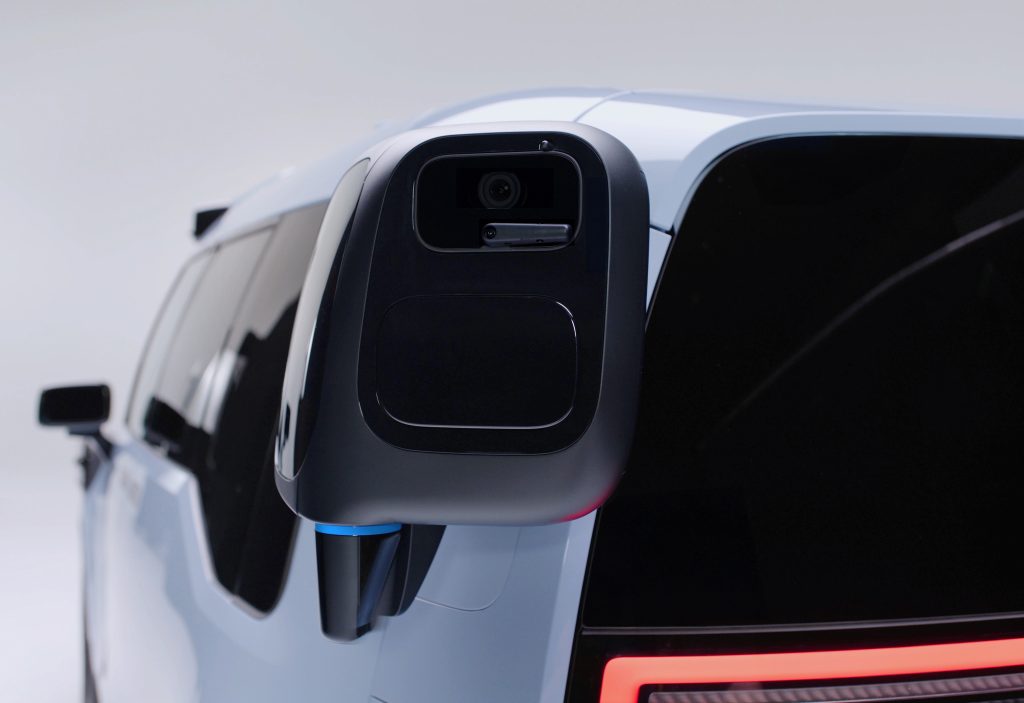
Critically, the 6th-gen Driver enables fully autonomous operations in snowier cities — a limitation that had previously restricted Waymo’s expansion to warmer climates. That opens the door to markets like Chicago, where Waymo has already confirmed it is laying the groundwork.
Waymo says access to Ojai rides will expand gradually to more riders and more cities beyond the initial three markets.
Scaling production in Arizona
Waymo’s Arizona factory is now scaling toward a capacity of tens of thousands of units annually, beginning with the Ojai followed by the Hyundai IONIQ 5. The company raised $16 billion at a $126 billion valuation earlier this year, the largest investment ever in an autonomous vehicle company, and this is where that capital is going.
The production ramp is happening alongside an aggressive geographic expansion. Waymo now covers over 1,400 square miles across 11 cities, delivers roughly 500,000 paid rides per week, and has plans to open in several more US markets this year plus London and Tokyo internationally.
For context, Tesla has roughly 25 unsupervised robotaxis on the road across three Texas cities. Waymo operates a fleet of more than 3,000 vehicles and is now tooling up to produce tens of thousands more per year. The scale gap remains enormous.
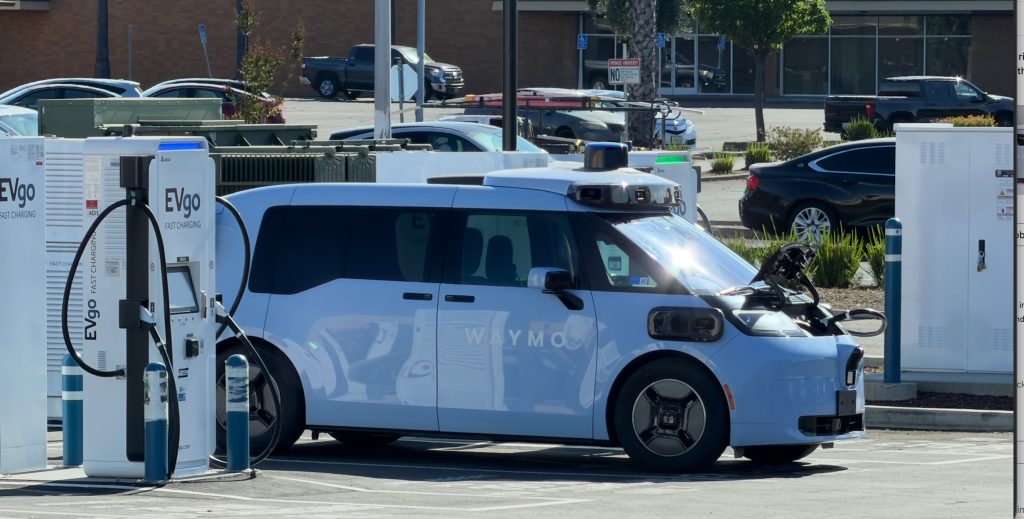
We know these vehicles are real. Electrek reader Alexander Kabbaj spotted a couple of Waymo Ojai charging at an EVgo station in Sacramento:
Electrek’s Take
Waymo continues to methodically execute on its autonomous driving strategy, and the Ojai launch is another data point that the company is pulling away from everyone else in this space.
It is not without setbacks: it recently had to pause service in several markets because its systems struggled to detect flooded roads, but it is moving in the right direction overall.
The purpose-built vehicle approach makes a lot of sense. When you’re designing a robotaxi from scratch, you can optimize for the things that actually matter in a ride-hailing context: easy entry and exit, spacious rear seating, durable and cleanable interiors, and accessibility. A retrofitted consumer car will never match that.
For comparison, this is Waymo’s Cybercab. As a rider experience, it is undeniably better in every way, but Tesla certainly edges in energy efficiency due to the smaller form factor. Although we need more data on overall efficiency per rider, since the Ojai carries more occupants.
Top comment by DynamicPresence
This is what a purpose-built for-hire vehicle (for the non-wealthy, at least) should look like. It's no wonder that London's iconic black cab and the old NYC cab built on the Nissan delivery van resemble this on the inside.
But you know what's probably a better form factor? A low slung two-seater with scissor-doors. It may be the most efficient version of a taxi, but they're giving up rider comfort and passenger flexibility, and electricity is relatively cheap compared to gas. (/s, obviously)
The 6th-gen Driver hardware cutting sensors by 42% while enabling operations in snow is particularly impressive. It directly addresses the two biggest criticisms lobbed at Waymo: that the hardware is too expensive and that it can’t handle winter conditions. Both of those arguments are getting harder to make.
We’re watching Waymo operate at a scale that makes almost every other autonomous driving program look like a science project in comparison. Baidu might be the exception, as its scale in China is also quite impressive.
Over 20 million trips, 11 cities, 500,000 rides per week, a $126 billion valuation, and now a purpose-built vehicle entering production at a factory designed to churn out tens of thousands per year. Whether you think the economics will ultimately work or not, there’s no denying that Waymo is the only company in America that has actually built a real autonomous ride-hailing business at scale.
If you’re looking to reduce your transportation costs even further, pairing your EV with home solar is one of the smartest moves you can make. With electricity rates climbing nearly 10% last year, home solar protects you against future rate increases. And with lease and PPA options, you can go solar with zero upfront cost and start saving immediately. If you want to find the best deal, check out EnergySage. It’s a free service with hundreds of pre-vetted installers competing for your business, so you save 20 to 30% compared to going it alone. No sales calls until you pick an installer. Get your free quotes here.


FTC: We use income earning auto affiliate links. More.




Comments